Helpful Tips to Remodeling Contractor
Renovation Contractor Tips for Your Home: Improve Your Living Space With Flair
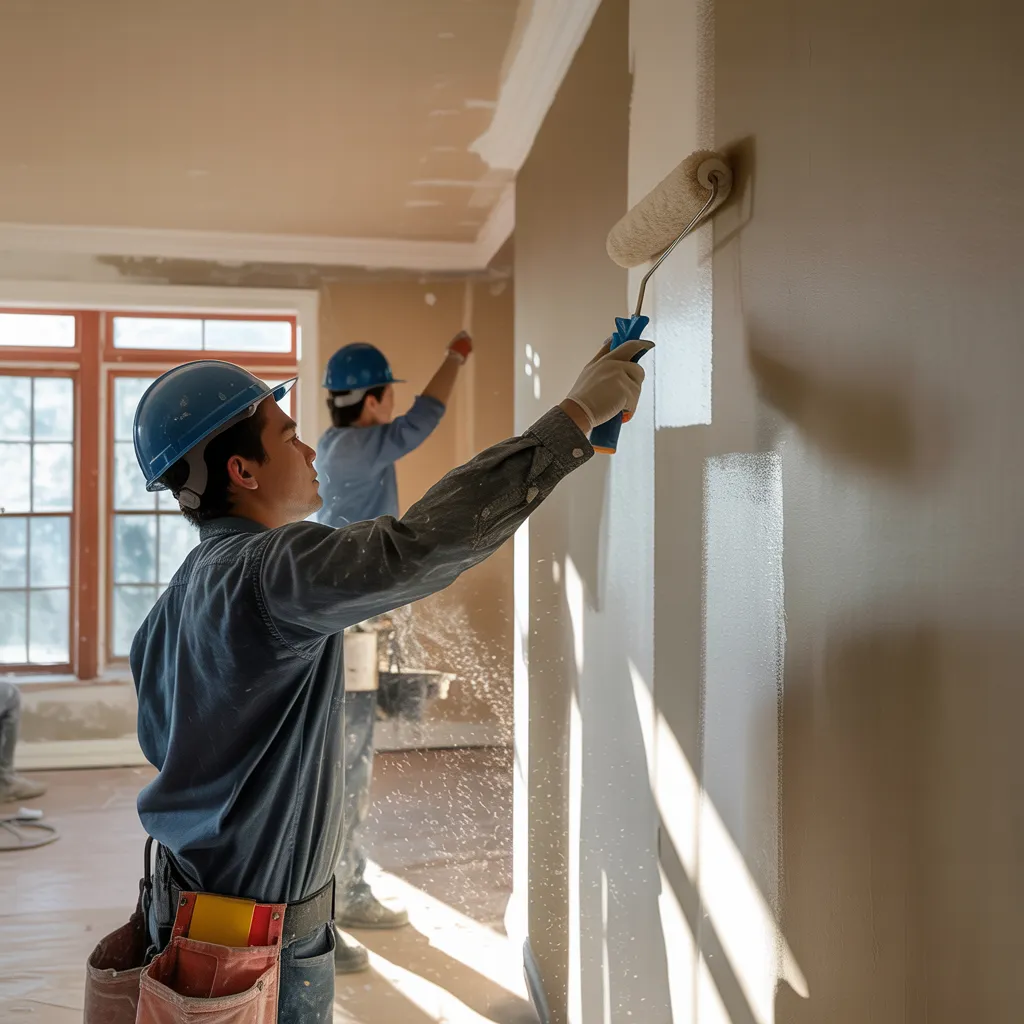
Home remodeling can significantly improve a living space, but choosing the appropriate contractor is essential. A qualified professional can turn concepts into tangible results while minimizing stress. However, many property owners encounter difficulties in selecting the best fit. Understanding the key aspects of this procedure can result in a successful project. What steps should one take to ensure an efficient and stylish makeover? The following insights will provide clarity and guidance for navigating this intricate go now undertaking.
How to Pick the Most Suitable Remodeling Contractor
When assessing a home remodel, how does one find the best contractor for the job? The process commences with thorough research. Homeowners should request suggestions from friends, family, or web-based reviews to create a list of potential candidates. Once a shortlist is formed, it is essential to verify each contractor's credentials, making sure they are certified, insured, and have a good standing with local regulatory bodies.
Interviews function as an essential element in the selection process; homeowners should ask regarding past projects, timelines, and references. Requesting detailed estimates helps clarify costs and scope. Additionally, interpersonal dynamics are vital; a contractor should be approachable and responsive to concerns.|Interviews are vital in the contractor choice; homeowners should ask about past projects, timelines, and references. Requesting thorough cost breakdowns helps explain costs and scope. Additionally, communication style and rapport are crucial; a contractor should be approachable and responsive to concerns.|Interviews represent a key role in the contractor choice; homeowners should request information on past projects, timelines, and references. Requesting thorough cost breakdowns helps clarify costs and scope. Additionally, interpersonal dynamics are vital; a contractor should be friendly and communicative to concerns.
In conclusion, closely scrutinizing contracts can prevent misunderstandings. By following these steps, homeowners can increase their chances of picking a remodeling contractor who aligns with their standards and delivers quality work.
Perfect Your Remodeling Finances
A well-organized remodeling budget is critical for any successful home endeavor. Creating a clear budget structure enables homeowners to prioritize their requirements and prevent excessive spending. At the outset, it is important to evaluate the overall scope of the job, including labor, supplies, and extra expenses such as permits or inspections.
Formulating a feasible monetary plan calls for researching costs and obtaining multiple quotes from contractors. Homeowners should also earmark a contingency fund, commonly 10-20% of the total budget, to cover unexpected expenses that may materialize during the restoration process.
Monitoring costs diligently throughout the project is essential. This approach ensures that the homeowner remains within financial limits and can make informed decisions as changes occur. Finally, open dialogue with the contractor helps to align expectations and prevent misunderstandings, ultimately contributing to a smooth and successful remodeling experience.
Pick Materials That Strengthen Your Home's Character
When selecting materials for home remodeling, selecting classic designs can produce a enduring charm. Mixing color and texture improves the overall aesthetic, while emphasizing sustainable choices indicates a dedication to environmental stewardship. Together, these elements can significantly boost a property's character and worth.
Choose Timeless Finishes
Timeless finishes hold essential importance in enhancing a home's aesthetic and guaranteeing lasting appeal. These finishes, such as natural stone, hardwood, and classic tile, provide a strong base for any decorative approach. They not only brave changing trends but also communicate a sense of sophistication and warmth. When determining materials, homeowners should evaluate durability and ease of maintenance, as these considerations shape the longevity of the finishes. Furthermore, choosing neutral color palettes grants adaptability, permitting future decor updates without the need to replace the finishes. By prioritizing timeless decisions, homeowners can establish spaces that exude elegance and charm, ultimately upgrading their living environment for years to come.
Balance Hue and Surface Finish
Balancing hue and tactile elements is essential for designing a cohesive and inviting atmosphere in any home. The selection of materials can greatly affect the overall aesthetic. For instance, pairing supple textiles with smooth finishes can create aesthetic distinction while enhancing coziness. Subdued colors often function as a flexible foundation, allowing vibrant highlights to shine without dominating the space. Incorporating different tactile qualities, such as matte finishes alongside glossy elements, adds dimension and intrigue. Natural materials, like wood and stone, can bring in warmth, while metallic accents contribute a modern flair. In the end, the careful combination of hue and tactile elements not only enhances the style but also expresses the homeowner's character, creating a harmonious living environment.
Prioritize Environmentally Conscious Options
Prioritizing eco-friendly options not just benefits the planet but also enhances a home's aesthetic appeal. Homeowners more and more seek sustainable products that blend style with practicality. Bamboo flooring, for example, offers a contemporary, stylish look while being a rapidly renewable resource. Reclaimed wood can add rustic charm and unique character, maintaining history while minimizing waste. Low-VOC paint options guarantee a better indoor atmosphere, adding to a fashionable finish without compromising air quality. Additionally, energy-efficient appliances come in modern designs that match contemporary aesthetics. By selecting these eco-friendly materials, homeowners not only elevate their living spaces but also make a positive impact to the planet, creating a perfect combination of style and sustainability in their remodeling projects.
Key Questions to Ask Your Renovation Contractor?
When starting a home remodeling project, understanding the correct questions to ask a contractor can greatly affect the outcome. Homeowners should ask about the contractor's experience and past projects to gauge their expertise. Asking for references and reviews can offer insight into their reliability and quality of work. It is vital to discuss timelines and work schedules to ensure the project matches personal expectations. Homeowners should also clarify the scope of work, including permits and inspections, to avoid unforeseen delays or costs. Understanding payment structures and any potential additional expenses is essential for budget management. Furthermore, reviewing warranty options for materials and workmanship can protect against future issues. Finally, it's advantageous to ask about the crew's qualifications and safety protocols to ensure a secure remodeling process. These questions help create clear communication and set the stage for a fruitful remodeling experience.
Strong Interaction Guidance for Your Remodeling Project
Effective communication is essential for the success of any remodeling project. Setting clear expectations from the beginning helps prevent misunderstandings and ensures all parties are aligned. Additionally, offering frequent project reports keeps everyone knowledgeable and engaged throughout the process.
Establish Clear Requirements
Clear expectations are important for the success of any home improvement project, as they foster effective communication between homeowners and construction professionals. Setting up a clear project scope is required; residents should articulate their aspirations while contractors must outline realistic schedules and budgets. This reciprocal awareness helps reduce miscommunication and disagreements.
Homeowners should also communicate their preferences about materials, design elements, and any unique demands, ensuring that contractors can deliver as anticipated. Regular discussions about priorities and potential challenges can also align both parties. It is important for contractors to oversee expectations by being transparent about what is practical within the negotiated limits. By setting distinct expectations from the outset, both homeowners and contractors can work harmoniously towards achieving the desired outcome.
Regular Assignment Updates
Consistent progress reports serve an important role in maintaining coordination between homeowners and contractors during the remodeling process. Regular communication guarantees that both parties are aware of progress, issues, and any required adjustments to the project timeline or budget. Contractors should institute a system for providing these updates, whether it be through weekly meetings, emails, or phone calls. This not only keeps homeowners in the loop but also cultivates trust and collaboration. Homeowners, in response, should feel encouraged to ask questions or express concerns, fostering a two-way dialogue. By prioritizing regular updates, both contractors and homeowners can better navigate the complexities of remodeling projects, leading to a smoother process and ultimately, a more satisfying outcome. Clear communication is vital to successful home renovations.
What Typical Renovation Pitfalls Should You Sidestep?
What dangers should homeowners be cautious about when starting a renovation project? One typical mistake is underestimating the budget. Homeowners often miss costs related to permits, materials, and unforeseen repairs. Additionally, failing to establish a defined timeline can lead to delays and increased expenses.
Another common error is failing to interact effectively with contractors. Confusion can arise if requirements are not explicitly defined from the start. Property owners should also avoid the temptation to DIY projects beyond their skill level, as this can result in expensive mistakes.
Disregarding the importance of planning and design is another misstep. Moving quickly into decisions without a unified vision can cause a disjointed final appearance. Moreover, homeowners should be wary of fads that may quickly become outdated, prioritizing classic design elements instead. By being aware of these drawbacks, homeowners can manage their remodeling projects more effectively.
Finalize Your Goal With Cohesive Design Tips
While initiating a remodeling project, homeowners should prioritize a cohesive aesthetic vision to ensure a harmonious outcome. Establishing a unified aesthetic not only enhances the aesthetic appeal but also ensures that each element complements the others.
To achieve this, homeowners should choose a consistent color palette that spreads throughout the space, incorporating various shades to introduce depth. Choosing a specific style—be it modern, traditional, or eclectic—can guide selections for materials, furnishings, and decor.
Weaving in patterns and textures deliberately can improve visual appeal without overwhelming the design. Homeowners should also consider carefully focal elements, such as a distinctive furniture statement or artwork, to anchor the space.
Ultimately, preserving balance between performance and aesthetics is important. By harmonizing these elements, homeowners can realize their vision, producing a inviting and stylish living space suited to their needs.
Frequently Requested Questions
Which Authorizations Are Essential for Home Remodeling Projects?
Home renovation undertakings generally need licenses such as building, electrical, pipe work, and mechanical permits, depending on the scope of work. Municipal codes can differ, so consulting the building department in your area is essential for compliance.
How Long Does a Typical Remodeling Project Usually Last?
A conventional home renovation can span a few weeks to several months, contingent upon the extent and difficulty. Considerations such as design alterations, material supply, and contractor efficiency substantially affect the project schedule.
Can I stay in My Home During Renovations?
Yes, one can live in a house during remodeling, but challenges may arise. Sound, dust, and limited entry to certain areas can create inconvenience. Thorough preparation and dialogue with contractors can help reduce these problems successfully.
How Should I Manage Surprising Expenses When Remodeling?
To handle unexpected costs during renovation, one should create a contingency budget, emphasize critical costs, engage openly with construction professionals, and explore loan alternatives. Adaptability and forward-thinking preparation can ease financial stress throughout the renovation process.
Which Latest Movements Are Present in Home Remodeling Today?
Current patterns in home remodeling emphasize open floor plans, sustainable materials, and biophilic design. Minimalist styles, smart home technology, and multifunctional spaces also dominate, reflecting a desire for both functionality and a connection to nature.